

Sustainability
Packaging
We’ve made the switch. Since mid-2022, our paint buckets have been made from recycled plastic, which conserves valuable resources and actively helps reduce the environmental impact. A high percentage of this plastic is derived from post-consumer recycled (PCR) material sourced from the maritime industry—such as used fishing nets, trawls, and ropes. Another portion of the PCR comes from household recycling collection (yellow bags/yellow bins). The containers can be fully recycled after use.
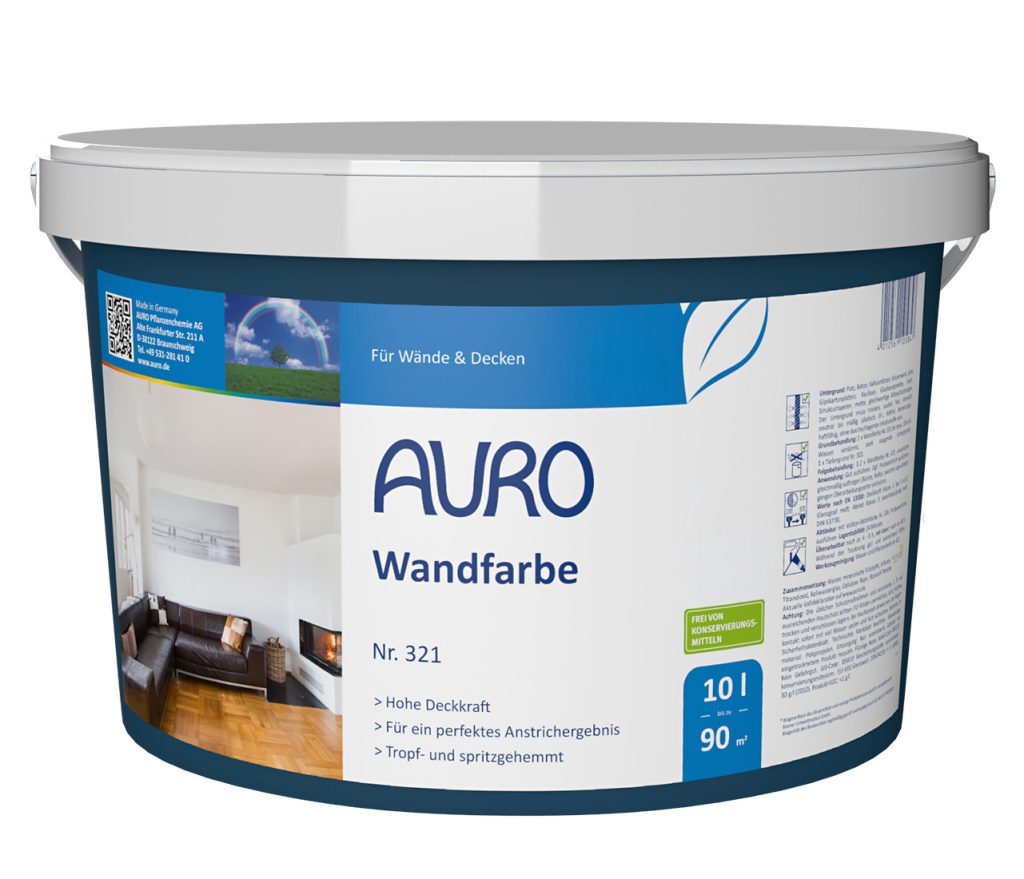
Glass, metal and plastic – our packaging has to do a lot to protect the sensitive contents. We are working hard to make our packaging even better so that it has less impact on the environment.
Post-consumer recycled material
The recycled material comes from waste generated by the maritime industry (such as used fishing nets and ropes) as well as from household recycling collection (yellow bag). The buckets are fully recyclable again.
Minimal use of virgin plastic
Only the lid and the handle are made of white virgin plastic, which is absolutely essential for the container’s mechanical stability.
Reducing the burden
on the oceans
We use marine and household recycling sources to reduce the use of petroleum-based plastics and keep plastics in the circular economy.
Glass, metal and plastic – our packaging has to work hard to protect its delicate contents. We are fully committed to making our packaging even better so that it has a lower environmental impact.
Metal containers
Our metal containers for paints and oils are completely light- and gas-tight.
In addition, tinplate has an excellent material recycling rate. Like glass, metal is a permanent material: It can be melted down and reshaped an infinite number of times without any loss of quality—the circular economy in its purest form.
Paper packaging and glass
Packaging made of paper, cardboard, and bags uses wood fiber, a renewable
resource that achieves the highest recycling rates in the waste paper cycle. Glass is also 100% reusable an infinite number of times without any loss of quality. This makes waste glass a valuable, resource-conserving raw material.